Profession in 2026
AI is changing what 'bookkeeping' means — what stays human in 2026
Half the work bookkeepers did five years ago is being automated away. The other half is becoming more important, and harder to hire for. Here is the line, and why it matters for the firms staying ahead.
Journal note
10 min read
May 9, 2026

Piotr Wozniak
Senior practice strategist
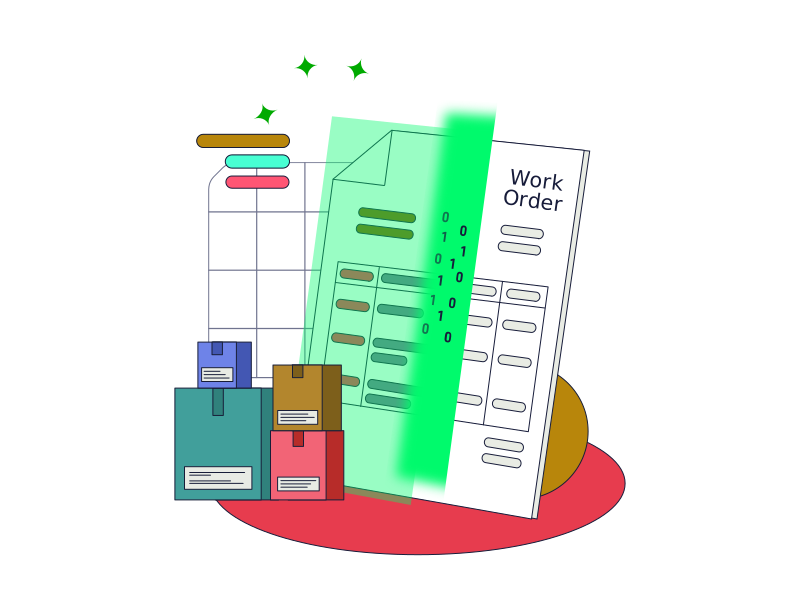
Illustration of automated bookkeeping workflow handing off to a human reviewer
The honest version of the AI-and-accounting conversation is not that the profession is disappearing. It is that the profession is splitting. The data-entry layer is being automated faster than most firms acknowledge. The judgment layer is becoming more valuable than the firms have priced. The bookkeepers who will own the next decade are the ones who can describe the difference clearly — to themselves, to their juniors, and to their clients.
What is genuinely being automated
Bank feed categorisation, invoice extraction, expense matching, basic reconciliation, payroll calculation, simple compliance filings — these are no longer human work in any well-run practice. They were human work in 2020. They are software work in 2026, and a junior bookkeeper trained primarily on these tasks is now training on tasks that the software does faster, cheaper, and with better audit trail. The honest answer to 'are these skills still valuable' is: they are necessary but no longer differentiating.
The firms still billing for these tasks at human rates are surviving on relationships, not value. That is a fragile position. The clients eventually notice — usually when a younger competitor demonstrates the same output for a third of the fee. The defensive move is not to keep charging for what is being automated. It is to move up the work and reprice the engagement around the layer that stays human.
What is becoming more human, not less
Several parts of bookkeeping are becoming more human and more valuable, not less. The first is judgment on edge cases — the receipt that does not match a vendor, the journal entry that needs a human to decide which account, the transaction that is technically correct and operationally suspicious. AI tools surface these faster than ever, which means a bookkeeper spends less time finding the problem and more time deciding what it means. That is judgment work. It does not scale by adding more software.
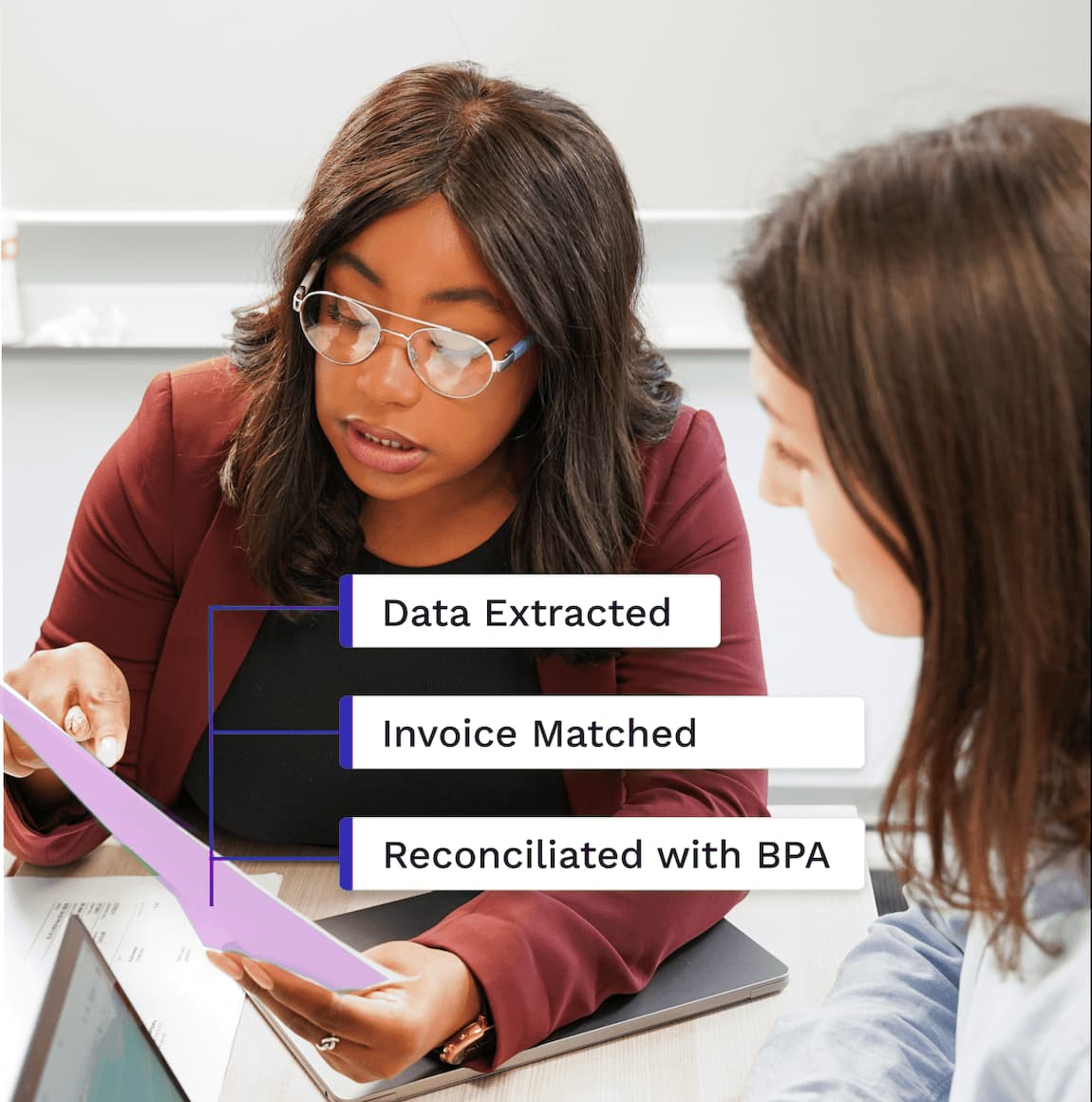
The second is the client conversation. The board-meeting prep, the 'should I incorporate' question, the 'are we hiring too fast' worry. Clients are increasingly bringing these to their bookkeeper because their bookkeeper is the only outside advisor who actually sees the numbers every month. Software does not have that relationship. It cannot. And the value of that relationship has gone up sharply because the surrounding work has been automated — the bookkeeper now has more time per client, and that time is what the client is really paying for.
The trap of trying to automate the relationship
A common mistake in 2026 is to take the time freed by automation and pour it back into more clients at the same fee. That is the wrong move. The market is moving in the opposite direction. Clients are paying more per relationship and expecting fewer transactional interactions. The firms doing well are running smaller books at higher fees, with more time per client, not larger books at flat fees. That requires a pricing change before it requires a staffing change.
The other trap is using AI tooling as a marketing veneer without changing the underlying engagement. A firm can buy every tool, automate every workflow, and still bill hourly for the time the tools removed. The client sees the tools, sees the bill, and quietly looks for an alternative. The internal restructuring — pricing, scope, deliverables — has to happen alongside the tool adoption, or the tools become an unpaid productivity gift to the client.
What the next five years probably look like
The 2030 picture is not 'no bookkeepers.' It is fewer bookkeepers, paid more per relationship, doing less of the data work and more of the judgment work. The juniors entering the profession now will spend almost no time on categorisation. They will spend time on review, on client communication, on edge cases, on understanding the business they serve. That requires a different training arc, a different career ladder, and a different conversation with the client about what the firm actually does.
Firms preparing for this are doing three things now. They are repricing engagements around judgment and advisory, not throughput. They are training juniors on client conversation from year one, not year five. And they are letting go of clients who only want a data-entry service, because those clients will leave for software within two years anyway and the relationship was never going to deepen. None of this is dramatic. It is just the quiet restructuring of a profession that is being remade in plain view.
The takeaway
The bookkeepers winning the next decade are not the ones with the most tools. They are the ones who priced the judgment layer, let the automation handle the throughput, and built relationships that software cannot replicate.

Written by
Piotr Wozniak
Senior practice strategist
From documents to decisions