Pricing trends
The end of the timesheet: how forward-looking firms are pricing in 2026
Hourly billing is not dying because it is unfair. It is dying because it punishes the firm for getting faster. Here is what is replacing it inside the practices that are growing.
Journal note
9 min read
May 19, 2026

Tomasz Nowak
Practice pricing consultant
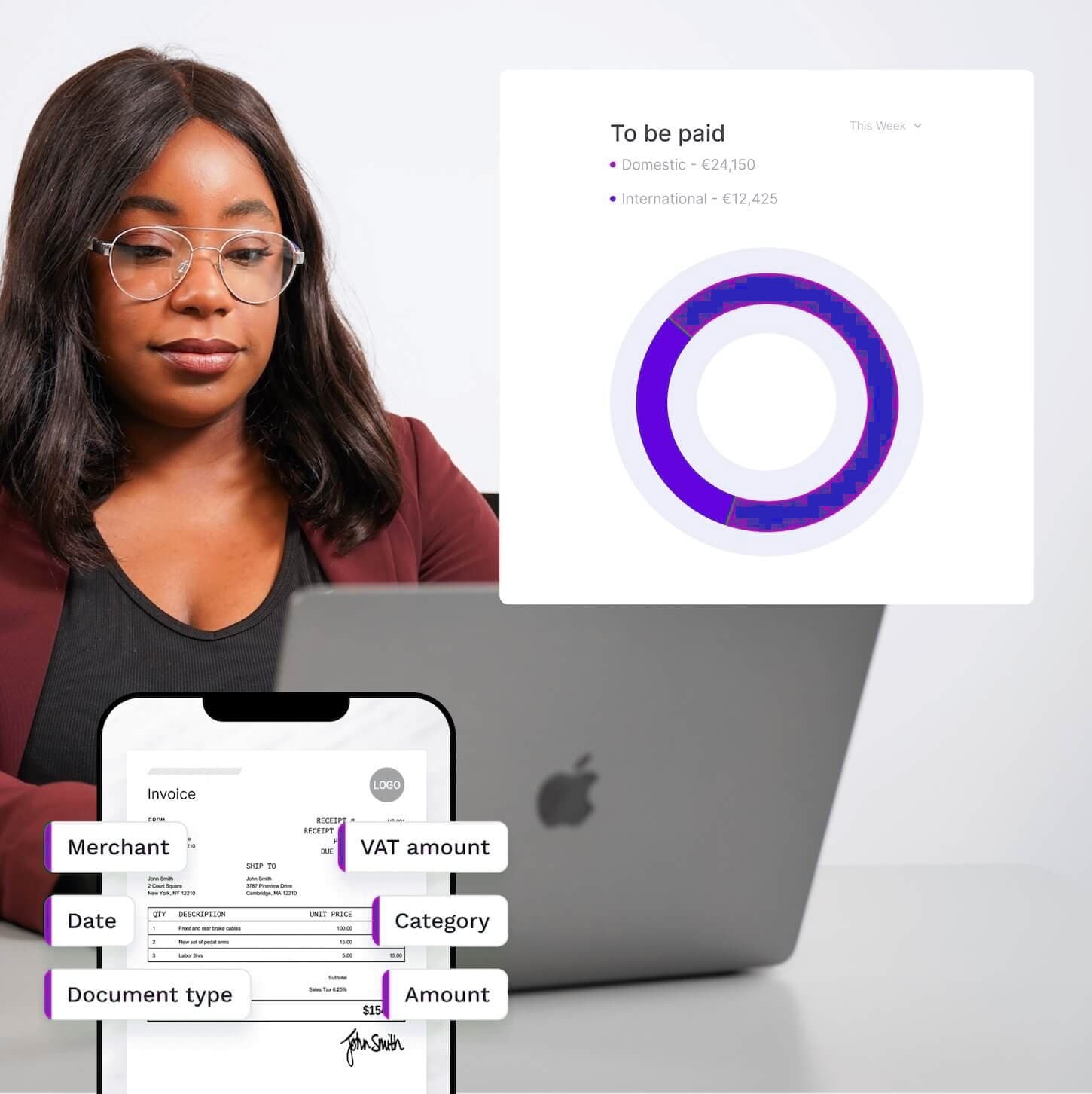
Accounting partner reviewing a value-based engagement letter
The timesheet was invented to bill lawyers in the 1950s. Accounting borrowed it because the alternative felt unscientific. Seventy years later, every honest practice owner knows the problem: the hour is a unit of input, not value, and the more efficient the firm becomes, the less it earns. In 2026, the firms that are growing have stopped tracking hours as a billing instrument. They still track them — for capacity planning — but they have moved billing somewhere else entirely.
Why hourly billing punishes the firm that gets better
Imagine two bookkeepers. One has refined her month-end process to four hours per client. The other still takes twelve. If both bill at $80 an hour, the efficient one earns a third of the income for the same outcome. The timesheet, presented as fairness, is actually a tax on competence. It rewards slowness and disguises skill as effort. Every junior who learns the work faster than expected gets reprimanded by the billing model, because the value delivered does not change but the invoice does.
The deeper damage is in the client conversation. Hourly bills force a quiet negotiation every month — was this really six hours, did the call need to be that long, can the bookkeeper write off some of it. That negotiation is corrosive. It signals to the client that the work is a meter running and that the firm benefits from inefficiency. No senior partner would say this, but every junior bookkeeper feels it the first time a client questions a line item.
What value pricing actually means in practice
Value pricing is not 'guess a number that sounds bigger than the hours.' It is a different conversation entirely. The firm scopes the engagement in writing: what is delivered, when, with what level of involvement. The price is fixed at the start of the year, broken into monthly retainers, and reviewed annually. Scope creep is renegotiated, not absorbed. The client knows the cost. The firm knows the income. The hour disappears from both sides of the conversation.
The hard part is the scoping document. Most practices write engagement letters that are vague by design — the firm protects itself by being broad. Value pricing requires the opposite. Each deliverable is named, each cadence is set, each exception is priced. The work to write this honestly is significant the first time and trivial after the third. Firms that adopt value pricing universally describe the engagement letter rewrite as the moment the practice felt different.

The three pricing tiers that work for a small practice
The cleanest structure for a bookkeeping or compliance practice is three tiers — usually called something like Essential, Active, and Advisory. Essential covers monthly close, payroll, sales tax, and the year-end pack. Active adds quarterly advisory calls and a written summary. Advisory adds forecast work, KPI dashboards, and unlimited email access. The price difference is meaningful — often 2x between tiers — and the deliverables are distinct, not bundled.
The decision the client makes is no longer 'how many hours will this take.' It is 'how involved do I want my accountant to be.' That is a much better question. It moves the relationship away from a meter and toward a choice. It also makes upsell honest. A client moving from Essential to Active is not being squeezed. They are choosing more involvement, at a transparent price, with a written scope. Practices report 30 to 50 percent of clients self-select into a higher tier within the first year when the tiering is offered this clearly.
What to do with the hours you still track
Stopping hourly billing does not mean stopping time tracking. The best firms still track every hour — internally, for capacity and pricing intelligence, not for the client invoice. The data tells the partner which clients are unprofitable, which junior is bottlenecking, which service lines are mispriced, and where automation has already paid back. The timesheet becomes a management tool instead of a billing instrument, and that is where it was always more useful.
The transition is rarely smooth. Long-tenured clients will resist the change at first because hourly bills, despite being worse for them, feel safer. The firms that succeed give clients a written before-and-after comparison: same scope, same deliverables, fixed price replacing variable invoices, no surprises. Most clients agree within one cycle. The ones who refuse to move are usually the ones whose hours were under-priced anyway, and losing them is part of the cleanup.
The takeaway
The timesheet is leaving the billing conversation because it taxes competence and signals the wrong incentives. The firms that price the scope instead of the hour are quietly outearning the ones that did not change.

Written by
Tomasz Nowak
Practice pricing consultant
From documents to decisions