Daily life
What being a bookkeeper actually looks like at 9pm on a Sunday
The public version of bookkeeping is a clean dashboard. The private version is a Sunday-night batch of receipts, a client message at 9pm, and a quiet anxiety about the month-end on Wednesday. This is the part that nobody writes about.
Journal note
7 min read
May 14, 2026

Marek Zielinski
Solo bookkeeper, twelve years
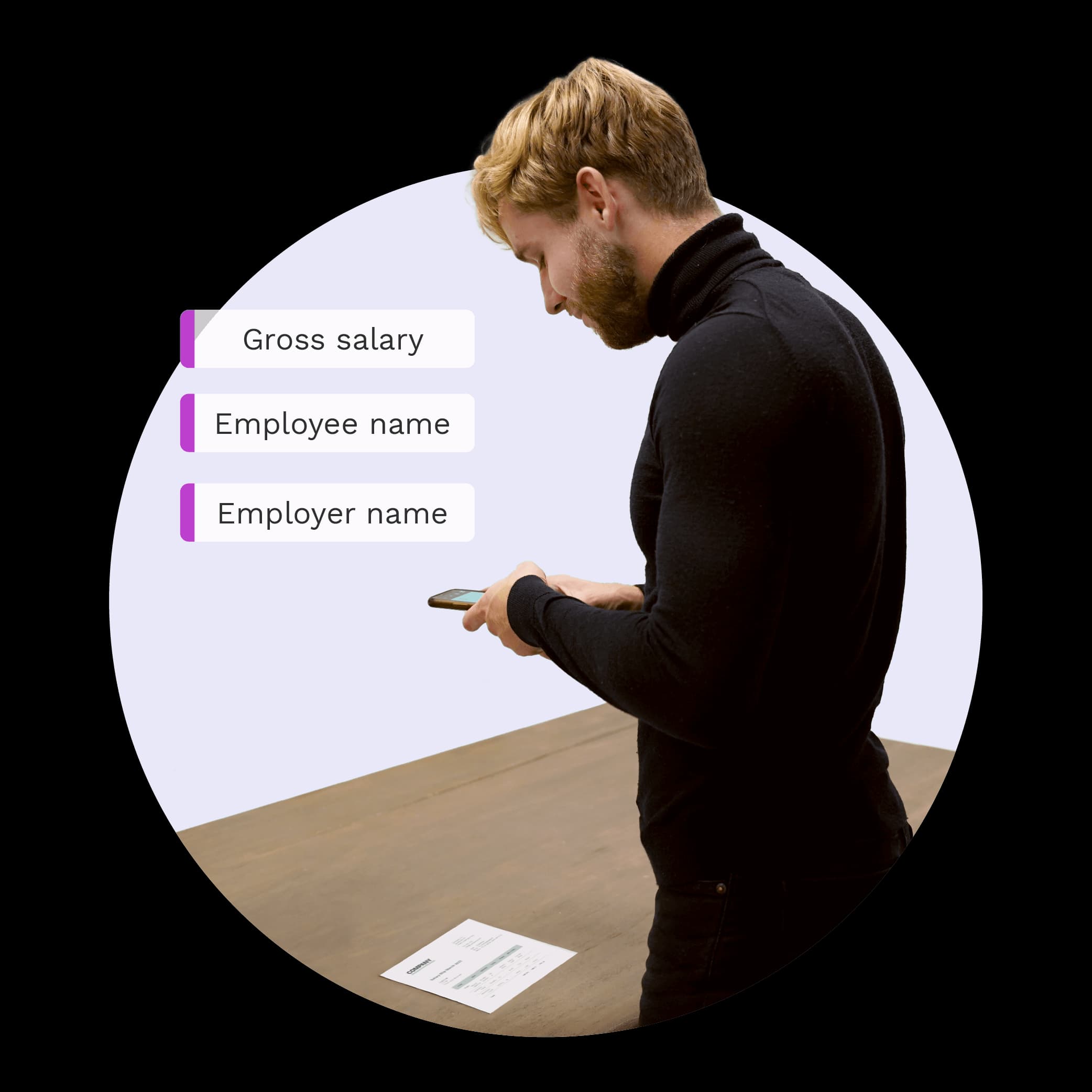
Solo bookkeeper finishing a client batch on a Sunday evening
The conferences and the LinkedIn posts do not tell you this part. They show a partner in a clean office with a coffee, talking about advisory services and tech stacks. The reality of running a small bookkeeping practice in 2026 is closer to a Sunday evening at the kitchen table, finishing one last client's receipts because Monday is already overbooked. That gap — between how the profession is presented and how it is actually lived — is worth naming honestly.
The week does not end on Friday
A bookkeeper running thirty to fifty clients does not finish on Friday. The week ends when the inbox is at a stopping point — and the inbox is never at a stopping point during the first week of a month. The Sunday-evening shift is not a sign of poor planning. It is a structural feature of running a small practice where the month-end cliff hits everyone at the same time, the deliverables are not optional, and the client expects the report to land on the second business day even though the client only sent the bank feed on the first.
The bookkeepers who burn out in this profession are not the ones who work hard. They are the ones who pretend they do not have to. The Sunday session is not a confession. It is the job. The healthier framing is to plan for it: a defined window, a specific scope, a real break afterward. Pretending it does not happen is what makes it spread into the rest of the week.
The client message at 9pm
Some clients message at 9pm. Not many, but enough to matter. The instinct is to reply quickly, because the relationship feels personal and the work is small. That instinct is what destroys the boundary. Once a client learns the bookkeeper replies in the evening, they will message in the evening — not because they are demanding but because they are also working in the evening and the bookkeeper is the only professional service they can reach.
The fix is not to set an out-of-office. The fix is to be unreachable for three hours a day, reliably, without explanation. No reply. Not even a 'will get back to you tomorrow.' Silence at night, replies in the morning. Clients adjust within a week. The bookkeepers who do this universally report that no client has ever left over it, and that the evening work that does happen is now done without interruption, which is what made it possible to do at all.

The Wednesday month-end anxiety
Every small practice has a Wednesday month-end where four or five clients close at once. The anxiety starts on Sunday. The plan looks workable on paper and falls apart the moment one bank feed breaks or one client sends receipts late. That anxiety is not a weakness. It is the cost of a deliverable model that compresses fifty firms' month-ends into the same three days. The way out is not better time management. The way out is staggering the deliverable dates across the month with client agreement.
Practices that do this — moving five clients to a 10th close, five to a 15th, five to a 20th — describe the change as the largest single quality-of-life improvement they have made in years. Clients almost never resist, because the deliverable date is meaningful only to the bookkeeper. The board meeting was always going to be later than that. The conversation feels uncomfortable at first and becomes routine within two cycles. The Wednesday anxiety becomes a Monday-Tuesday-Wednesday-Thursday-Friday rhythm where no single day carries the full month.
What separates the practices that last
The bookkeepers still in the profession at year fifteen are not the ones with the most technical skill. They are the ones who built a practice that does not require Sunday evenings as a structural feature. That usually means fewer clients than the spreadsheet would suggest, higher fees than felt comfortable when set, written scope on every engagement, and a willingness to fire the bottom 10 percent every year. It is not a glamorous formula. It is just what works when the work is real.
The profession will keep adding tools, integrations, AI features, and dashboards. None of those change the Sunday evening unless the underlying practice is built to not need it. Software does not save a practice that overbooks itself. It just helps an overbooked practice run slightly faster toward burnout. The discipline is older than any tech stack: scope honestly, price for the scope, deliver on time, and be unreachable at night. Everything else is the marketing layer.
The takeaway
The Sunday-evening shift is not a personal failing. It is the structural cost of an overbooked practice. The fix is not productivity. It is fewer clients, higher fees, written scope, and three reliable hours of silence every night.

Written by
Marek Zielinski
Solo bookkeeper, twelve years
From documents to decisions